
Automatyzacja marketingu dla początkujących: od czego zacząć bez przytłoczenia
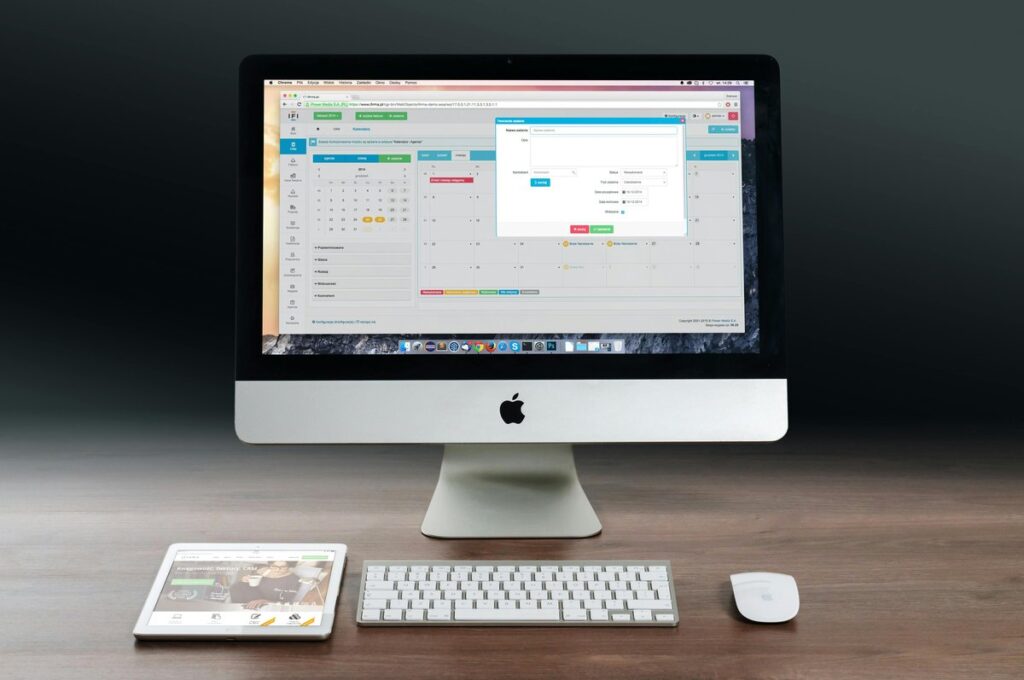
Każdy właściciel firmy zna to uczucie. Obiecujący lead przepada w szczelinie, follow-up nigdy się nie zdarza, a sprzedaż po prostu cicho znika. To dokładnie tę lukę automatyzacja marketingu ma zamknąć. Mówiąc wprost, to oprogramowanie, które zdejmuje z Twoich barków powtarzalną harówkę marketingu i sprzedaży, żeby Twój zespół mógł poświęcić czas na relacje i strategię, zamiast na ręczną zajętość pozorowaną. Ale to pojęcie niesie ze sobą sporo bagażu. Zanim więc zainwestujesz w nie choćby minutę czy złotówkę, powiedzmy sobie szczerze, czym ono naprawdę jest.
Spis treści
Co automatyzacja marketingu naprawdę oznacza (a czego nie)
Sprowadź to do podstaw, a automatyzacja marketingu to oprogramowanie, które wykonuje za Ciebie rutynowe zadania, uruchamiane regułami, które sam ustawiasz. Mail powitalny, gdy ktoś się zapisuje. Przypomnienie o follow-upie po demie. Leady kierowane prosto do właściwego handlowca. Delikatne szturchnięcie kontaktów, które przy Tobie ucichły. Największy mit, jaki krąży, głosi, że automatyzacja oznacza wysyłanie spamu albo zwalnianie ludzi. Nieprawda. Dobrze ustawiona daje Ci dwie rzeczy, z którymi ludzie naprawdę się mordują przy setkach kontaktów: spójność i idealny timing.
I tu wpina się to w Twój CRM, bo dane o klientach to paliwo, które napędza całą maszynę. Twój CRM wie, kim ktoś jest i co zrobił. Automatyzacja decyduje, co dzieje się dalej. Bez uporządkowanych danych pod spodem nawet najsprytniejszy przepływ pracy strzela na oślep. A z nimi? Każdy komunikat trafia we właściwym momencie, do właściwej osoby.
Problemy, które rozwiązuje w małych i średnich firmach
Większość małych zespołów nie traci transakcji z braku talentu. Traci je, bo informacje o klientach żyją wszędzie i nigdzie naraz. Porozrzucane po arkuszach, zakopane w skrzynkach, nabazgrane na karteczce, którą ktoś wyrzucił. Gdy nikt nie widzi pełnego obrazu, ktoś zapomina o follow-upie, a ciepły potencjalny klient stygnie. Tymczasem godziny znikają na kopiowanie danych, przepisywanie tej samej odpowiedzi i gonienie za aktualizacjami statusu, które niczego nie posuwają naprzód.
Automatyzacja sprząta konkretny zestaw codziennych bólów głowy:
- Przegapione follow-upy, które po cichu zabijają transakcje, których nikt naprawdę nie zamierzał porzucać
- Niespójny przekaz, gdzie każdy handlowiec mówi coś odrobinę innego
- Brak wglądu w pipeline, przez co prognozowanie zamienia się w czystą zgadywankę
- Wolne czasy reakcji, które oddają pierwszą odpowiedź szybszemu konkurentowi
Napraw to, a przychód, który już zarabiałeś, przestanie wyciekać tylnymi drzwiami.
Najpierw uporządkuj dane i fundament
Oto niewygodna część. Automatyzacja wzmacnia wszystko, czym ją nakarmisz. Czyste dane na wejściu, użyteczne wyniki na wyjściu. Zabałaganione dane na wejściu, a dostajesz chaos, tyle że teraz na skalę. Zanim więc podłączysz choćby jeden przepływ pracy, ustaw fundament jak trzeba. Chcesz mnożyć dobre nawyki, a nie błędy.
Zacznij od kilku praktycznych ruchów. Zbierz każdy kontakt do jednego systemu zamiast do pięciu. Wyczyść duplikaty i oczywiste śmieci. Zdefiniuj swoje etapy cyklu życia, czyli drogę, którą człowiek przechodzi od nieznajomego, przez leada, po klienta. Potem rozrysuj tę drogę na papierze, zanim zautomatyzujesz jakikolwiek jej fragment.
Wskazówka: zwalcz pokusę zautomatyzowania wszystkiego pierwszego dnia. Wybierz jeden jasny cel - powiedzmy, nigdy więcej nie przegapić follow-upu z leadem - i buduj wokół tego jednego rezultatu. Wąski system, który faktycznie działa, bije rozbudowany, który ugina się pod własnym ciężarem.
Twoje pierwsze automatyzacje: proste wygrane na start
Najlepsze automatyzacje dla początkujących mają jedną wspólną cechę. Łatwo je zbudować i od razu są użyteczne. Z grubsza uszeregowane według nakładu w stosunku do korzyści, oto od czego bym zaczął:
- Sekwencja powitalna lub onboardingowa, która automatycznie wita nowe kontakty
- Automatyczne przydzielanie leadów, tak by zapytania trafiały do właściwego handlowca natychmiast
- Przypomnienia o follow-upie, które nie pozwalają rozmowom grzęznąć
- Prośby o opinię lub recenzję wysyłane po zakupie lub wykonanej usłudze
- Komunikaty ponownie angażujące kontakty, które ucichły
Każda z nich działa według tej samej prostej zasady: gdy zdarza się X, zrób automatycznie Y. Ktoś pobiera poradnik, dostaje trafnego maila. Transakcja tkwi nietknięta przez tydzień, jej właściciel dostaje sygnał. Budowanie tego rodzaju przepływów pracy to dokładnie to, do czego zaprojektowany jest dedykowany silnik automatyzacji procesów.
Wskazówka: najpierw zapisz ręczny proces na papierze, a potem zautomatyzuj dokładnie te kroki i nic ponadto. I mierz od pierwszego dnia, bo tylko realne liczby mówią Ci, co naprawdę rusza wskazówkę.
Gdzie AI zmienia reguły gry dla początkujących
Tu sztuczna inteligencja zamienia automatyzację z wykonawcy reguł w prawdziwego asystenta. Zamiast jedynie reagować na wyzwalacze, AI odczytuje wzorce w Twoich danych i podsuwa mądre sugestie - takie obliczenia, na które małe zespoły nigdy nie mają czasu.
Trzy możliwości naprawdę się tu wyróżniają. Scoring leadów porządkuje, którzy potencjalni klienci najprawdopodobniej kupią, więc szczupły zespół kieruje energię tam, gdzie szanse są najlepsze. Prognozowanie sprzedaży bierze surowe dane pipeline’u i zamienia je w realistyczne przewidywania przychodu, wokół których naprawdę da się planować. A spersonalizowane follow-upy dostrajają swój timing i treść do tego, jak zachowuje się każdy klient, zamiast traktować wszystkich tak samo.
Nowoczesne CRM-y napędzane AI, jak EpicCRM, ściągają porządkowanie danych i automatyzację w jedno miejsce, co jest jednym praktycznym przykładem tego całego zintegrowanego podejścia. Ale na jakiekolwiek narzędzie trafisz, zachowaj zdrowy dystans. Wskazówka: traktuj sugestie AI jak pomocnego asystenta, nigdy jak autopilota. Człowiek powinien zawsze zatwierdzać decyzje, które naprawdę mają znaczenie, jak to, które transakcje priorytetyzować albo kiedy warto napisać osobistą notkę.
Częste błędy początkujących (i jak ich unikać)
Entuzjazm to klasyczna pułapka. Nowi użytkownicy automatyzują za dużo, za szybko i niechcący wypłukują ten osobisty dotyk, który w pierwszej kolejności zjednał im lojalnych klientów. Zwolnij. Zachowaj ludzki głos tam, gdzie się liczy.
Błąd numer dwa to ignorowanie higieny danych. Brudne rekordy psują każdy przepływ pracy w dół strumienia, wystrzeliwując niewłaściwego maila do niewłaściwej osoby i podgryzając zaufanie. Czyste dane to nie zadanie typu zrób raz i zapomnij. To bieżące utrzymanie, kropka.
Po trzecie, mnóstwo ludzi buduje przepływy pracy, a potem nigdy do nich nie zagląda. Automatyzacja potrzebuje regularnego przeglądu, by potwierdzić, że wciąż pomaga, a nie po cichu irytuje Twoich odbiorców. I wreszcie, nie wybieraj narzędzia dla błyskotliwych funkcji, których nigdy nie tkniesz. Wybierz platformę, która rozwiązuje Twój faktyczny problem, a nie tę z najdłuższą listą funkcji. Mniej narzędzi, dobrze użytych, zawsze bije przeładowany system, którego nikt nie rozumie.
Najczęściej zadawane pytania
Czy potrzebuję dużego budżetu albo umiejętności technicznych, by zacząć z automatyzacją marketingu?
Nie, ani jednego, ani drugiego. Większość nowoczesnych narzędzi SaaS jest zbudowana specjalnie dla osób nietechnicznych, z wizualnymi kreatorami i gotowymi szablonami, które nie wymagają ani linijki kodu. Możesz zacząć od małego z kluczowymi funkcjami, zautomatyzować pojedynczą sekwencję follow-upów i udowodnić wartość, zanim się rozbudujesz. Co do budżetu, wiele platform skaluje się razem z Twoimi potrzebami, więc płacisz za to, czego używasz, w miarę jak rośniesz. Prawdziwą inwestycją nie są pieniądze ani techniczne kompetencje. To czas, który poświęcisz na uporządkowanie danych i jasne przemyślenie tego jednego procesu, który chcesz poprawić w pierwszej kolejności. Tak samo działa wdrażanie CRM przy ograniczonym budżecie, które też najlepiej rozwijać etapami, zaczynając od jednego procesu.
Podsumowanie: zacznij od małego, bądź konsekwentny
Odetnij szum, a automatyzacja marketingu sprowadza się naprawdę do trzech rzeczy: spójności, timingu i uwolnienia ludzkiego czasu na pracę, którą wykonać mogą tylko ludzie. Nie chodzi o zastępowanie Twojego zespołu ani o zalewanie skrzynek. Chodzi o niezawodne pojawianie się przy każdym kontakcie, za każdym razem. Taką niezawodność najłatwiej osiągnąć, gdy automatyzacja opiera się na aktualnych danych o klientach, dlatego warto od początku wykorzystać możliwości połączenia CRM z marketingiem.
Ustaw kolejność jak trzeba, a ominiesz większość typowej frustracji. Uporządkuj dane. Wybierz jeden cel, który ma znaczenie. Zautomatyzuj kilka prostych wygranych. Potem dołóż AI, gdy podstawy już mruczą. Każdy etap buduje na poprzednim, więc nic nie zawala się pod własnym ciężarem.
I nie potrzebujesz idealnego planu, by ruszyć. Zrób w tym tygodniu jeden mały krok - scentralizuj kontakty albo ustaw pojedyncze przypomnienie o follow-upie. Tyle. To rozpęd, a nie perfekcja, zamienia automatyzację w faktyczne rezultaty.