
Prognozowanie sprzedaży na podstawie danych CRM
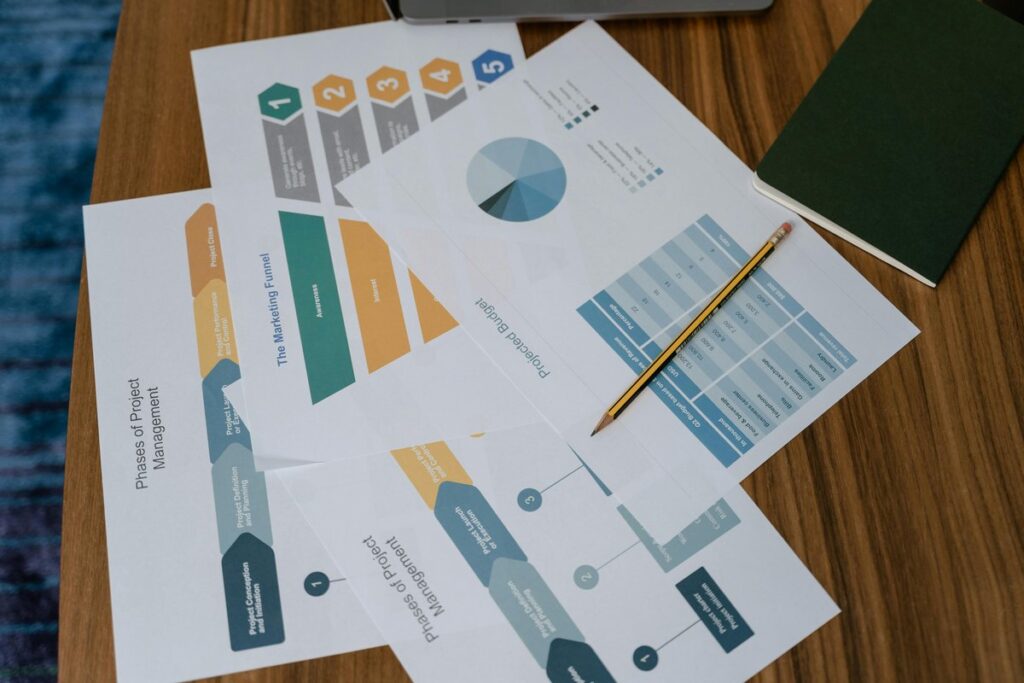
Every sales leader is really chasing one number: how much revenue actually lands next quarter. That’s the whole job of sales forecasting - predicting future income from the deals you have now plus the patterns buried in the ones you’ve already closed. No magic involved. And definitely not the gut-feel guessing that quietly sinks so many small and mid-sized teams. Lean on intuition and you invite optimism bias, reps who all count differently, and numbers that swing depending on who you happen to ask. Here’s the good part, though. Your CRM is already sitting on the raw material. Deal stages, expected close dates, historical win rates, activity logs - all of it parked in your system, doing nothing, waiting to become something useful. A decent forecast just organizes that mess into a believable picture of the next few months. I think of it as a planning tool, not a crystal ball. It steers hiring, budgets, and goals without ever claiming to be perfect. You’re after reliable direction here, not flawless prediction, and the customer data you already own gets you there.
Spis treści
The Data Your CRM Needs Before It Can Predict Anything
A forecast is only as good as the records feeding it. Garbage records, garbage forecast. Before any method earns its keep, your pipeline has to capture a few basics on every single opportunity. And data hygiene matters just as much - stale deals that should have closed months ago, missing close dates, stage definitions that mean one thing to Dave and something else to Maria. That stuff quietly poisons your numbers. Clean up the pipeline stages first, standardize them, then start trusting the output. Not before.
Every opportunity record should carry these fields:
- Deal value - the realistic revenue on the table
- Stage - clearly defined and the same for everyone
- Deal age - how long it’s been sitting there
- Source - where the lead came from
- Owner - the rep on the hook
- Last activity date - your freshness signal
- Historical win/loss rate - by stage and by source
Tip: audit the pipeline once a month and archive anything nobody has touched in 60 days. That dead weight skews your averages and pumps up expectations you’ll never hit.
Common Forecasting Methods, From Simple to AI-Driven
A few approaches are out there, and the right one really comes down to your size and your patience. Manual pipeline-weighted forecasting multiplies each deal by its stage probability - fast to set up, sure, but only as good as those rough percentages, which reps will absolutely game if you let them. Historical run-rate forecasting projects forward from past performance. It’s great for steady businesses with predictable cycles, but it trips up the second growth takes off or the market shifts under you. Then at the deep end you’ve got machine learning models that chew through thousands of past deals to figure out which behaviors actually predict a close.
| Method | Effort | Accuracy | Best Fit |
|---|---|---|---|
| Pipeline-weighted | Low | Moderate | Early-stage teams |
| Historical run-rate | Low | Good (if stable) | Steady, mature businesses |
| AI / machine learning | Higher setup | High | Data-rich growing teams |
Plenty of companies just blend them. They’ll run run-rate as a sanity check against a weighted pipeline, then slowly layer in the smarter automation over time. Nothing wrong with that.
How AI Improves CRM Forecasts (Without the Hype)
AI earns its spot by doing the thing tired humans can’t. It works through every past deal and surfaces the signals that genuinely line up with closing - maybe response time, maybe the number of stakeholders in the room, maybe some specific activity pattern you’d never have spotted. So instead of slapping one flat probability on a whole stage, the model sizes up each open deal on its own. Lead scoring feeds straight into that, ranking which prospects are likely to convert so your forecast reflects quality, not just headcount. Zaufanie do takich prognoz zależy jednak od tego, jak czyste są dane w systemie, o czym więcej mówi wiarygodność prognoz z CRM.
But clean inputs matter every bit as much as the clever math. Automated data entry, logged emails, follow-up reminders that actually fire - that’s what keeps records fresh and gives the model something honest to learn from. And the payoff is a forecast that updates itself as deals move and behavior shifts. Modern AI-powered platforms like EpicCRM bundle scoring, automation, and prediction into one thing, but honestly the principle holds for any system: better data plus pattern recognition beats manual guesswork every time. AI doesn’t replace your judgment. It sharpens it with evidence your team would’ve walked right past. Tak wykorzystana analityka predykcyjna w CRM pomaga też wskazać, które szanse sprzedaży zasługują na uwagę zespołu w pierwszej kolejności. Skoro cała prognoza stoi na tych danych, trzeba też zadbać o bezpieczeństwo danych w chmurowym CRM, żeby nie trafiły w niepowołane ręce.
Building Your First Reliable Forecast: A Step-by-Step Approach
You don’t need a data science degree for this. Follow a clear sequence and tighten it up as you go:
- Clean your data - kill the dead deals and fix the missing fields.
- Define your stages - write a one-line meaning for each so everyone’s on the same page.
- Set probability weights - base them on real historical win rates, not wishful thinking.
- Choose a time horizon - monthly or quarterly works for most teams.
- Review monthly - hold the forecast up against actuals and adjust.
You’ll also want to pick between rolling forecasts, which keep projecting the next twelve months, and fixed quarterly snapshots that lock a target in place. Rolling ones adapt faster. Fixed ones make accountability simpler. Either way, the thing that actually builds accuracy over time is measuring forecast against real results, month after month. Tip: make CRM updates dead easy and bolt them onto habits reps already have, because let’s be honest, people only keep records honest when it takes seconds, not minutes.
Avoiding the Mistakes That Sink Sales Forecasts
Even a good system falls apart when human habits go unchecked. Sandbagging - cautious reps lowballing their deals so they can play hero later - wrecks the numbers just as badly as happy-ears optimism, where the excitable seller treats every coffee chat as a near-done deal. Both come from the same place: treating the forecast as a performance review instead of a planning tool. Another classic trap? Assuming every deal in a stage carries the same odds. A brand-new proposal and one that’s been stuck for three weeks do not deserve the same weight. Not even close.
Ignore your sales cycle length and your seasonality on top of that and it only gets worse, because a deal that usually takes ninety days isn’t going to magically close in thirty just because the quarter’s about to end. Keep an eye out for these repeat offenders:
- Rep bias in both directions
- Flat probability across deal age
- Overlooking seasonal demand swings
Tip: treat forecast accuracy as its own metric. Track how close the predictions land each month, and put the whole team on the hook for improving it.
Frequently Asked Questions
How much historical data do I need before forecasting is accurate?
Roughly one full sales cycle gives you a starting point, and a year of closed deals lets the patterns really come through. More history sharpens things, sure, but don’t wait. Start with what you’ve got and refine.
Can a small business with a short sales history still forecast?
Yes. Start with simple pipeline-weighted estimates and conservative win rates. As the deals pile up, your numbers get more reliable and you can graduate to the smarter methods later.
Is AI forecasting worth it for a team with only a few reps?
It can be, especially when the tool also handles data entry and lead scoring for you. Small teams get the most out of anything that saves time and cuts down on guesswork.
How often should I update my sales forecast?
Review monthly at the very least, and refresh the underlying data weekly. Frequent small tweaks beat the occasional dramatic correction.
What’s the difference between a forecast and a quota?
A quota is a target you’re aiming to hit. A forecast is your honest read on what’s actually going to happen. Mix the two up and you’re basically inviting wishful thinking.
Conclusion and TL;DR
Reliable sales forecasting starts with clean CRM data, not pricey software. When the pipeline’s accurate, even the basic methods give you useful direction, while messy records make the fanciest model worthless. AI amplifies good data by spotting patterns and scoring deals, but it can’t rescue bad inputs - garbage in, garbage out, same as it ever was. Start simple, measure your accuracy, and improve the thing one cycle at a time.
- Clean data first: hygiene beats any tool.
- Define stages clearly so the probabilities actually mean something.
- AI sharpens, never replaces, good inputs and judgment.
- Track forecast accuracy as a metric and hold the team to it.
- Start small and iterate instead of waiting around for perfect.