
Zautomatyzowałem swój cykl sprzedaży na 90 dni - oto czego się nauczyłem
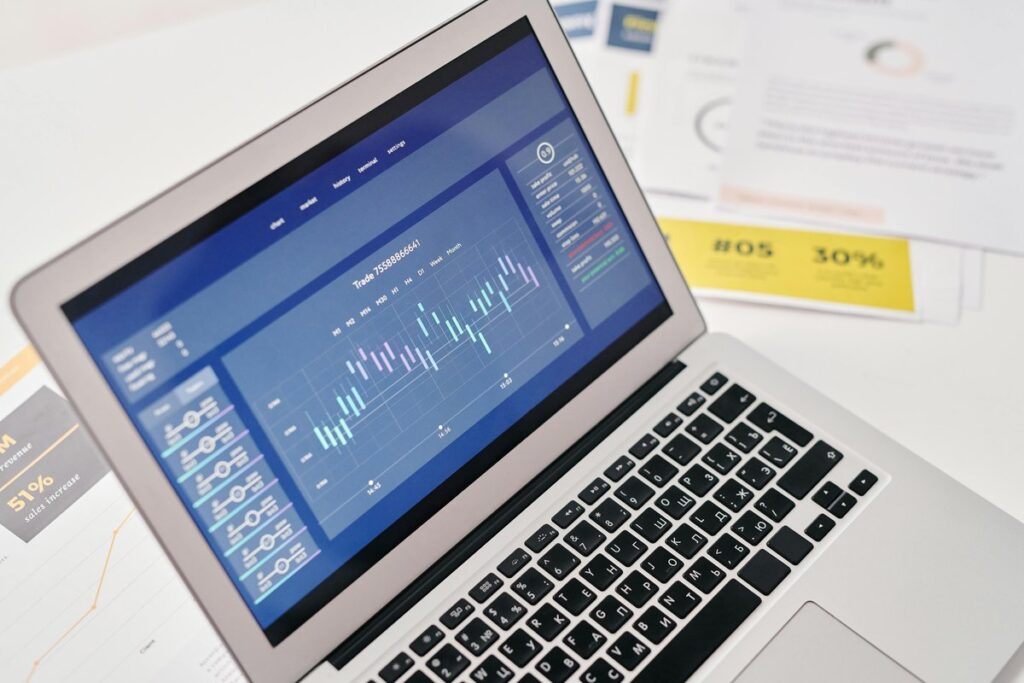
Dziewięćdziesiąt dni temu mój cykl sprzedaży opierał się na karteczkach samoprzylepnych, pamięci i arkuszu, któremu nikt do końca nie ufał. Leady się wymykały. Obiecujące rozmowy stygły, a ja spędzałem więcej czasu na niańczeniu rekordów niż na faktycznym rozmawianiu z klientami. Zrobiłem więc eksperyment. Zautomatyzować tyle nudnej roboty, ile się da, przez trzy miesiące, a potem prześledzić, co realnie się zmieniło. Poniżej uczciwa relacja z tego, co zadziałało, co wybuchło mi w twarz i jak możesz skopiować to podejście, nie kupując ani jednej rzeczy, której nie potrzebujesz.
Spis treści
Dlaczego w ogóle zdecydowałem się na automatyzację
Szczerze? Wepchnęła mnie w to codzienna harówka. Leady przepadały w szczelinach, follow-upy szły w niepamięć, a transakcje po prostu tkwiły w miejscu, grzęznąc wewnątrz arkusza, któremu nikt nie ufał na tyle, by na jego podstawie działać. A ręczne wprowadzanie danych - to był prawdziwy zabójca. Godziny co tydzień, które powinny pójść na sprzedaż. Zanim więc dotknąłem choćby jednego narzędzia, spisałem cel: mniej straconych szans, czystsze dane, kilka godzin z powrotem w moim dniu. To ujęcie okazało się ważniejsze, niż się spodziewałem. Automatyzacja nie polega na zastępowaniu sprzedawców ani na zamienianiu kontaktu z klientem w zimną maszynę. Chodzi o sprzątnięcie zajętości pozorowanej, która narasta wokół prawdziwej sprzedaży, żeby ludzie mogli skupić się na rozmowach zamiast na biurowej papkologii. Gdy ustaliłem tę intencję, każda kolejna decyzja miała jeden prosty test - czy to usuwa tarcie, czy tylko dokłada kolejny dashboard, który muszę sprawdzać?
Sprzątanie bałaganu, zanim cokolwiek zautomatyzujesz
Oto niewygodna rzecz, której szybko się nauczyłem. Nie da się zautomatyzować chaosu. Zduplikowane kontakty, wypełnione w połowie rekordy, etapy pipeline’u, które dla różnych osób znaczą co innego - nic z tego nie znika, gdy dodasz automatyzację. To się wzmacnia. Cały mój pierwszy tydzień poszedł na nieefektowne sprzątanie. Ustandaryzowałem etapy pipeline’u, żeby wszyscy faktycznie mieli na myśli to samo, mówiąc „zakwalifikowany”, potem odduplikowałem listę kontaktów, która jakimś cudem uzbierała trzy wersje tego samego kupującego. Nowoczesny CRM zarabia tu na swoje utrzymanie, centralizując dane o klientach, tak by każdy mail, notatka i telefon żyły w jednym miejscu, zamiast być porozrzucane po skrzynkach i na wpół zapamiętanych rozmowach. To jedno źródło prawdy sprawiło, że wszystko w dół strumienia stało się wiarygodne. Nudne? Jasne. Ale to nudne przygotowanie gruntu jest całym powodem, dla którego zautomatyzowane kroki później wytrzymały pod realnym ruchem.
Follow-upy, które kiedyś przepadały w szczelinach
To była najszybsza, najbardziej widoczna wygrana o całą długość. Zamiast opierać się na własnej pamięci (która, bądźmy szczerzy, była całym problemem), zbudowałem spersonalizowane sekwencje follow-upów wyzwalane zachowaniem leada - umówione demo, otwarty mail, wisząca w powietrzu oferta. Gdy transakcja cichła, przypomnienia i zadania tworzyły się automatycznie, więc nic nie zależało od tego, czy człowiek pamięta o działaniu. Czasy reakcji poprawiły się niemal z dnia na dzień, z najgłupszego powodu: system po prostu nigdy nie zapominał. Oto sekwencje warte zautomatyzowania w pierwszej kolejności:
- Maile powitalne, które docierają do nowego leada w minuty, nie w dni
- Kontakty po demie, które przychodzą, gdy rozmowa jest jeszcze świeża
- Zachęty do ponownego zaangażowania dla zimnych leadów, które zamilkły
- Przypomnienia o odnowieniu, tak by obecni klienci nigdy nie wypadli przez przypadek
Żadna z nich nie zastąpiła prawdziwej rozmowy. Zadbały jedynie o to, by czas był właściwy.
Pozwalam AI oceniać leady i przewidywać, co się zamknie
Gdy dane były już czyste, AI faktycznie stała się przydatna (nacisk na „gdy dane były już czyste”). Scoring leadów oparty na AI porządkował potencjalnych klientów według prawdopodobieństwa konwersji, więc mój zespół szedł najpierw po właściwe nazwiska, zamiast przerabiać listę z góry na dół jak roboty. Prognozowanie sprzedaży dało mi ugruntowany obraz pipeline’u oparty na realnych sygnałach, a nie na optymistycznym przeczuciu, i to sprawiło, że planowanie stało się dużo mniej stresujące. Niektóre platformy - EpicCRM wśród nich - wbudowują tę inteligencję prosto w przepływ pracy, zamiast doczepiać ją jako osobne narzędzie, co utrzymuje scoring i kontakt z klientem w jednym ciągłym nurcie. Przy tym traktowałem oceny jako wskazówkę, nie ewangelię. Model wydobywał wzorce, które bym przeoczył, bez dwóch zdań. Ale to ludzki osąd wciąż rozstrzygał przypadki graniczne, zwłaszcza dziwne transakcje albo wieloletnie relacje, których same liczby nigdy naprawdę nie uchwycą. Najwięcej o takich przypadkach mówiły mi zresztą przegrane, dlatego regularna analiza przegranych transakcji uczyła mnie więcej niż sam scoring.
Co naprawdę zadziałało - a co nie
Nie wszystko poszło gładko. Oto więc praktyczne lekcje, z grubsza w kolejności ważności:
- Zacznij od małego i automatyzuj po jednym etapie naraz, zamiast całego cyklu na raz.
- Trzymaj człowieka w pętli przy wszystkim, co wymaga osądu czy niuansu.
- Przeglądaj sekwencje co miesiąc, bo komunikat, który w pierwszym tygodniu wydawał się świeży, szybko czerstwieje.
- Mierz przed i po, żebyś naprawdę mógł udowodnić, że zmiana jest realna.
Mój największy wczesny błąd? Przeautomatyzowanie. Kontakt z klientem zaczął brzmieć robotycznie i szablonowo, aż odkręciłem to i przywróciłem ludzki dotyk. Wskazówka: automatyzuj powtarzalną mechanikę - timing, przypomnienia, zbieranie danych - ale budowanie relacji zostaw twardo w ludzkich rękach. Największą korzyścią nie był żaden magiczny skok przychodu z dnia na dzień. Był nim odzyskany czas i spójność, które po cichu kumulowały się przez wszystkie trzy miesiące.
Jak zacząć automatyzować własny cykl sprzedaży
Nie potrzebujesz mojej dokładnej konfiguracji, by uzyskać podobne rezultaty. Zacznij od rozrysowania obecnego procesu na papierze, zanim wybierzesz jakiekolwiek oprogramowanie - jeśli nie umiesz go narysować, nie zautomatyzujesz go dobrze. Potem znajdź trzy najbardziej powtarzalne, najmniej wymagające osądu zadania, które wykonujesz co tydzień (rejestrowanie aktywności, wysyłanie tej samej pierwszej odpowiedzi, tego typu rzeczy) i zautomatyzuj je w pierwszej kolejności. Wybierając platformę, skłaniaj się ku CRM-owi z wbudowaną automatyzacją i AI, żebyś nie zszywał pięciu niepołączonych narzędzi i nie niańczył kruchych integracji, które co drugi wtorek się psują. Na koniec wybierz parę prostych metryk - u mnie dobrze sprawdziły się czas reakcji i liczba zagrzęzłych transakcji - i spisz je, zanim cokolwiek zmienisz. Te bazowe liczby są tym, co zamienia mgliste „tak jest lepiej” w dowód, któremu naprawdę możesz zaufać i którego później obronisz.
FAQ
Czy automatyzacja sprzedaży sprawi, że mój kontakt z klientami stanie się bezosobowy?
Nie, jeśli poprowadzisz granicę we właściwym miejscu. Automatyzuj rutynowe wyzwalacze, przypomnienia i wprowadzanie danych - mechaniczne części, których i tak nikt nie lubi - a samą treść komunikacji zostaw osobistą i ludzką. Pozwól, by system zajął się timingiem i informacją, tak by nigdy nie upuścił piłki, a ludziom zostaw ton, empatię i samą relację. Klienci rzadko zauważają dobrą automatyzację. Zauważają szybką, trafną, dobrze wyczuloną w czasie odpowiedź. Kłopot pojawia się dopiero wtedy, gdy firmy automatyzują też ludzkie części, wystrzeliwując generyczne szablony tam, gdzie należała się prawdziwa odpowiedź. Trzymaj tę granicę wyraźnie, a Twój kontakt z klientem wyjdzie na bardziej uważny, nie mniej.
Wnioski końcowe po 90 dniach
Najwyraźniejsza lekcja? Automatyzacja nagradza przygotowanie. Czyste dane i dobrze zdefiniowany proces liczyły się dużo bardziej niż to, które konkretne narzędzie wybrałem, i żadna ilość sprytnego oprogramowania nie zamaskuje bałaganu na wejściu. Prawdziwą nagrodą była spójność - żaden lead nie zapomniany, każdy follow-up wysłany na czas i pipeline, któremu w końcu mogłem zaufać jednym rzutem oka. Jeśli masz wynieść jedną rzecz z tych trzech miesięcy, niech będzie to ta. Zacznij od małego, trzymaj ludzi u steru przy każdej decyzji wymagającej osądu, a powtarzalność zostaw systemowi. I tu haczyk: nawet jeśli nigdy nie wykupisz ani jednej subskrypcji, samo rozrysowanie i uszczelnienie cyklu sprzedaży na papierze zwraca się z nawiązką. To ta dyscyplina, bardziej niż jakakolwiek funkcja, zamieniła chaotyczny proces w spokojny i przewidywalny.